
Which Compressed Air Piping Is Best for Your Facility?
Your industrial compressed air piping system does more than move air from point A to point B. The material you choose affects pressure stability, air quality, maintenance demands, and long-term operating costs. A poor choice may invite corrosion, restrict flow, and create avoidable downtime. But how do you know the right material when you see it? Compare the most popular compressed air piping in use today to help you narrow down your choices.
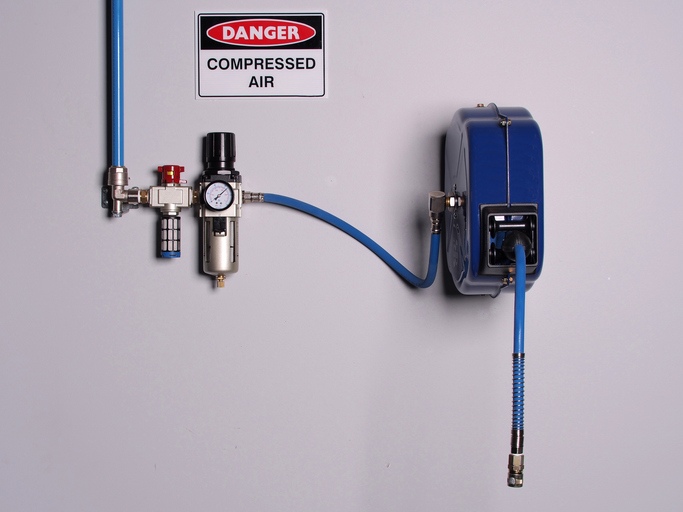
Common Types of Compressed Air Piping
You have several compressed air piping materials to choose from, each with pros and cons worth your consideration.
Galvanized Steel Pipe
Galvanized steel has been paired with air compressors for decades and remains common in older facilities. This material features a zinc coating designed to slow corrosion, making it more durable than untreated steel.
While galvanized steel is made to handle high pressure in demanding industrial settings, the zinc coating doesn’t last forever. As it wears away, the metal becomes prone to corrosion, and zinc particles may contaminate downstream equipment. Galvanized steel is also difficult to maneuver and requires threaded or welded joints that are prone to failure.
Black Iron Pipe
Historically, black iron has been widely used as compressed air piping due to its low upfront cost and wide availability. It supports high-pressure compressed air applications when properly installed.
However, iron lacks built-in corrosion protection. Rust buildup can reduce airflow and introduce particles into the system. As a result, ongoing maintenance and eventual replacement are common.
Stainless Steel Pipe
The primary advantages of stainless steel are its resistance to corrosion and ability to maintain internal cleanliness over a long service life. It’s commonly selected for environments where air purity and rust resistance are top priorities. Stainless steel performs well in high-demand industries, such as food processing, medical, and chemical facilities. However, higher material and installation costs limit its use in general industrial applications.
Aluminum Air Pipe
Aluminum is the preferred option for modern compressed air systems. Corrosion resistance and a smooth internal surface protect air quality, reduce pressure loss, and minimize maintenance needs. The material is also lightweight and easy to handle, simplifying compressed air piping installation. Modular compression or press fittings allow you to expand or adjust your system with minimal downtime. A higher upfront material cost is the biggest drawback.
Copper Air Pipe
Copper remains a popular choice for compressed air systems in environments where air cleanliness and reliability are priorities. It offers corrosion resistance and dependable performance in small- to mid-size installations.
If you opt for copper, be aware that skilled labor is required to solder or braze joints during installation. Material costs are also on the high end, which is one reason copper is typically reserved for smaller installations.
Plastic Pipe
You might be considering plastic compressed air piping for its low cost, natural corrosion resistance, and ease of handling. However, not all plastics are suited for this use.
Notably, polyvinyl chloride (PVC) and chlorinated polyvinyl chloride (CPVC) are banned from use in high-pressure systems due to safety concerns. Approved materials include acrylonitrile butadiene styrene (ABS), polyethylene (PE), and high-density polyethylene (HDPE). Even then, plastic piping has limited use in heavy-duty industrial compressed air systems.
Which Compressed Air Piping Is Best for Your Facility?
When making a compressed air pipe material comparison, factors like operating pressure, required airflow, environmental exposure, and system design all affect which option will deliver the best performance.
In general, aluminum and stainless steel are considered the best compressed air piping materials due to their strength and stable airflow. Both are suitable for environments with moisture or temperature swings. They may cost more upfront than galvanized steel or black iron, but easier installation, consistent pressure, and lower maintenance often result in more cost-efficient lifetime ownership.
When deciding between aluminum vs. stainless steel piping, consider how your facility operates today and how it may change tomorrow. If you anticipate frequent equipment changes, production growth, or layout adjustments, you might opt for aluminum because it adapts easily without major rework. If no changes are on the horizon, stainless steel may be the most solid choice.
Common Piping Mistakes to Avoid
Even high-quality materials can underperform if your system is poorly planned or installed. Avoid these common mistakes to protect system efficiency and extend its service life:
- Ignoring future expansion: Designing your system to meet current demand raises the risk of disruptive upgrades later. Oversizing mains and planning for growth means you’ll be ready to scale up effortlessly when production increases.
- Choosing materials based solely on price: Low-cost materials are known to increase lifetime costs due to corrosion and pressure loss. Evaluating the total cost of ownership before deciding yields better results.
- Using unsafe piping materials: PVC and CPVC pose serious safety risks in compressed air systems. Always confirm that materials are rated and approved for use in high-pressure applications.
- Poor system layout: Excessive bends, long runs, and restrictive fittings increase pressure drop. Work with a knowledgeable installer to route things efficiently for improved airflow and reduced energy waste.
- Neglecting moisture management: Water in the system accelerates corrosion and damages equipment. Air dryers, drains, and sloped piping may be necessary to control moisture throughout the system.
Choose D & D Compressor for Compressed Air Piping
With this comparison of compressed air pipe materials in mind, you’re ready to select the right piping for the job. D & D Compressor, Inc. would be happy to answer any questions you still have. We have served San Jose and the surrounding Bay Area for more than 40 years, providing dependable industrial air solutions backed by manufacturer warranty coverage and 24/7 emergency service. If you’re planning a new compressed air piping installation or upgrading an existing system, please contact us today to discuss which solutions fit your facility best.