
Rotary Screw Compressor Buyer’s Guide
While traditional piston compressors have their place in many industries, D & D Compressor recognizes that many companies rely on rotary screw air compressors for a consistent supply of compressed air. This high-performance option is constantly working for improved efficiency and no downtime. But is this the right choice for you? And if so, how do you know which size, drive type, or configuration to choose? Here’s what you need to know before making an investment.
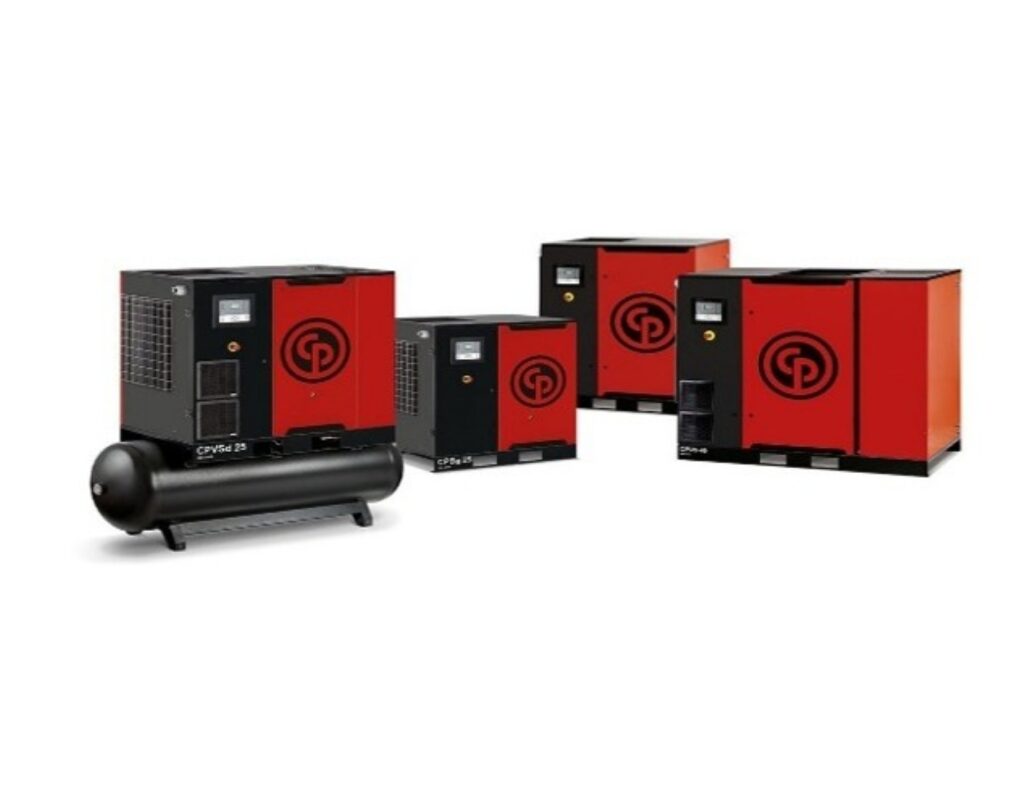
What Is a Rotary Screw Compressor?
A rotary screw air compressor is a type of gas compressor that uses a rotary-type positive-displacement mechanism. Standard piston compressors use an up-and-down motion to compress air, but screw compressors use two meshing helical screws (rotors) to force air into a smaller space, allowing for a 100% duty cycle.
This means the machine can run 24 hours a day, 365 days a year, without overheating or needing a “cool down” period. If your business requires a constant, uninterrupted flow of air to power multiple tools simultaneously or run automated machinery, a rotary screw compressor is likely the right tool for the job.
How Rotary Screw Compressors Work
To further clarify and help you understand the mechanics behind the machine and what makes them so efficient, here’s an explanation of how it all works:
- The compressor draws air in through an inlet valve.
- The internal rotors turn, trapping the air and moving it along the screws. The space between the threads decreases as the air moves down the line, compressing it.
- The compressed air is discharged at the end of the screws.
These units are incredibly efficient. The compressor builds pressure to your facility’s set point and will either idle or turn off when it hits the pressure level. However, the moment your team starts using tools and the pressure drops, the compressor instantly re-engages to maintain the set pressure. You won’t have to worry about wasting energy when production slows down or having enough power when the shop floor gets busy.
Key Factors to Consider When Buying a Rotary Screw Compressor
We sell units from the leading manufacturers of high-quality compressors, but your decision will extend beyond choosing a brand. You need to match the machine’s specifications to your facility’s demands:
Cubic Feet Per Minute (CFM) Requirements
CFM measures the volume of air the compressor can deliver and is one of the most important specifications to consider. Calculate the total CFM required when all your tools are used simultaneously to determine your needs. If you buy a unit that doesn’t deliver enough, it will struggle to keep up, leading to pressure drops. If it’s too large, it won’t cycle enough, which can actually cause mechanical issues, like condensate buildup in the oil.
Power and Size
The physical size and horsepower of the unit usually correlate with its output. However, rotary screw compressors are generally more compact than piston compressors of similar power, so don’t let the size fool you. The key is making sure you have enough space in your mechanical room to fit the unit, with extra space for ventilation. Compressors generate heat and need room to breathe.
Fixed Speed vs. Variable Speed Drive (VSD)
This is a major decision point for buyers:
- Fixed Speed – Ideal for applications where air demand remains constant and high throughout the day. The motor runs at a consistent speed.
- Variable Speed Drive (VSD) – If your demand fluctuates during a slow morning followed by a busy afternoon, a VSD is often the better choice. It automatically adjusts the motor speed to match air demand, helping to save energy.
The Benefits of Upgrading
Rotary screw compressors usually cost more upfront than piston models, but the return on investment becomes clear quickly due to their operational advantages:
- Efficiency and Cost Savings – Because they’re designed to run cool and feature fewer moving parts, which results in less friction, these compressors are highly energy-efficient. VSD models, in particular, only consume the energy necessary to meet current demand, reducing utility bills over time.
- Quiet Operation – If you’re used to the not-discreet rattle of a piston compressor, you’ll be shocked by the difference. Rotary screw models use noise-dampening enclosures and operate with a smooth motion, making them quiet enough to have a conversation nearby. This improves safety and comfort for your employees.
- Continuous Air Supply – The 100% duty cycle is the primary selling point. You never have to wait for the tank to refill, eliminating downtime and keeping your production line moving.
- Cleaner Air – These units pass less oil downstream compared to piston compressors, which means the equipment and air tools you use with the compressor are protected from contamination, extending their lifespan.
Maintenance and Servicing Requirements
Longevity relies on how well you treat your equipment. A well-maintained rotary screw compressor can last over a decade, with some units logging 40,000 to 50,000 operational hours while still running strong. A standard annual maintenance plan is essential and typically includes:
- Changing air and oil filters
- Checking oil levels and changing the lubricant
- Inspecting belts and couplings
- Cleaning coolers to prevent overheating
Neglecting maintenance leads to a loss of efficiency and potential breakdowns. It’s highly recommended to partner with a dealer like us who can set you up on a routine schedule, ensuring your machine stays in peak condition.
Making the Right Choice for Your Business
Screw compressors from D & D Compressor offer continuous operation, superior energy efficiency, and a quieter work environment for you and your employees. These machines offer a distinct advantage over traditional piston models in high-demand applications. If pressure drops are an issue or you want to increase production time, contact us today to discuss your options. Our experienced team will help you assess your CFM needs and find the perfect match for your facility.