
Desiccant vs. Refrigerated Dryers: How to Choose
When designing or upgrading an industrial compressed air dryer system, one major decision is choosing between desiccant and refrigerated air dryer technology. Compressed air can contain moisture, leading to corrosion, bacterial growth, and machine downtime if not addressed. The style of air dryer you choose affects product quality, equipment life, maintenance requirements, and energy costs. Learn how each type of system works, how they compare in performance and cost, and how to choose the best one for your needs.
The choice depends on the air quality/dryness of the air. A refrigerated air dryer provides a dewpoint of approximately +38 – + 51 Degree Dewpoint for a standard refrigerated air dryer and +50 for a hi-temp. The desiccant dryer where more stringent requirements are needed most commonly -40 or -100 or anywhere in between.
What Is a Refrigerated Air Dryer?
A refrigerated compressed air dryer lowers the air temperature, causing vapor to condense into a liquid that can be drained from the system. The air is then reheated to reduce relative humidity before entering your equipment.
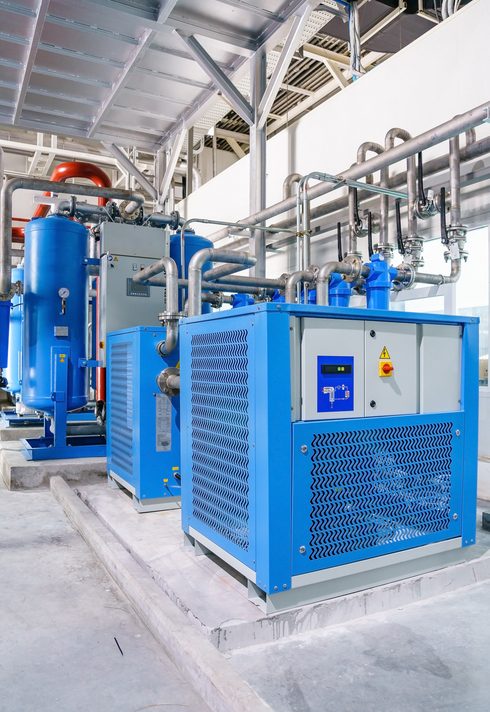
Refrigerated dryers deliver a pressure dew point of 35 to 40 degrees F (2 to 4 degrees C). This is low enough to prevent condensation issues in most industrial systems, but does not qualify as “ultra dry.”
Refrigerated dryers are a solid choice in environments where moisture control is important but ultra-dry air isn’t necessary. Benefits include:
- Lower upfront cost than many other dryer types
- Simpler design with lower maintenance requirements
- Energy-efficient operation
- Great choice for general plant air, pneumatic tools, and non-critical applications
Moisture in compressed air can cause corrosion, clogged valves, damaged tools, and unexpected downtime. That’s why many manufacturers rely on industrial refrigerated air dryers to keep their air systems clean, dry, and reliable.
A refrigerated air dryer works by cooling compressed air to a low temperature, forcing water vapor to condense and separate from the air stream. The moisture is then removed, and the dry air is reheated before entering your equipment—helping prevent rust, freeze-ups, and contamination throughout your system.
IDF Series Refrigerated Air Dryers are available in multiple configurations for use around the world. These standard inlet air temperature models (max. 122~149°F [50~65°C]) reliably generate dew points down to 37°F (2.°C) that is suitable for most industrial applications. All feature environmentally friendly R134a or R407C refrigerants, compact designs and stainless steel heat exchangers.
What Is a Desiccant Air Dryer?
A regenerative desiccant air dryer removes moisture from compressed air using a moisture-absorbing material called a desiccant. As compressed air passes through the dryer, water vapor adheres to the desiccant material. Eventually, the desiccant becomes saturated and must be regenerated to absorb moisture again.
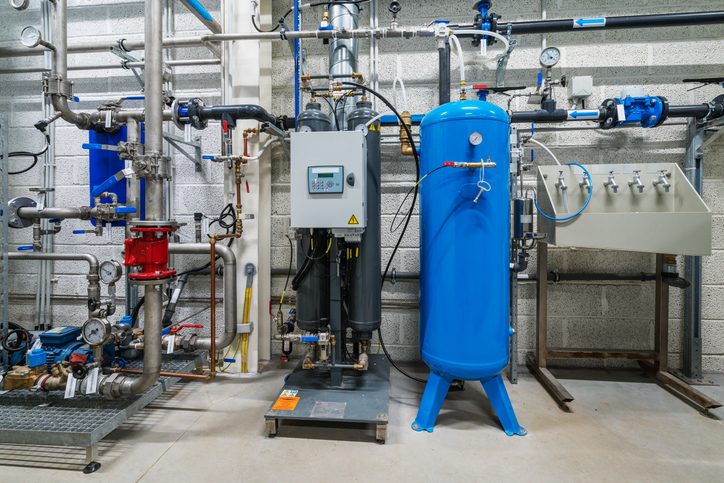
These dryers are often built with two “towers” of desiccant, allowing one tower to dry the air while the other regenerates. This setup permits uninterrupted drying and reduces maintenance needs.
Desiccant systems produce extremely low dew point compressed air. For example, the DRYPOINT® AC HP Heatless High Pressure Desiccant Dryer delivers a standard pressure dew point of -40 degrees F (-40 degrees C) and an optional outlet pressure dew point of -100 degrees F (-73 degrees C). This temperature range makes desiccant air dryers suitable for applications where moisture must be strictly controlled.
Advantages of desiccant dryers include:
- Very low dew points ideal for sensitive applications
- Ability to perform well even in cold or harsh environments
- Flexible options like heatless, heated purge, or blower purge configurations
Comparing Desiccant vs. Refrigerated Air Dryers
During your compressed air dryer comparison, note several important distinctions between desiccant and refrigerated systems.
Dew Point Performance
Refrigerated dryers typically achieve a dew point above freezing, which is suitable for most general uses. Desiccant dryers can reach far lower dew points down to -40 degrees or lower, depending on the configuration. If your process demands ultra-dry air, desiccant models are the clear choice.
Operating Costs
Refrigerated dryers often have lower operating costs because they don’t require purging or heated regeneration cycles. Desiccant dryers consume some compressed air during regeneration and use more energy overall.
Capital Investment
Refrigerated dryers generally cost less up front than desiccant models. The higher investment required for desiccant dryers is well worth it when added performance benefits are needed.
Complexity and Maintenance
Refrigerated systems are simpler mechanically and easier to maintain. Desiccant dryers are inherently more complex, with moving parts and regeneration cycles that require more support.
Application Flexibility
Refrigerated dryers are widely used across general manufacturing, automotive shops, and plant air systems. Desiccant dryers are required in many niche applications where moisture could cause defects, contamination, or freezing.
Recommended Air Dryer Types for Different Industries
Industrial compressed air dryers are common across many different industries, but the two styles fulfill unique needs.
General Manufacturing
Refrigerated dryers work well with most compressed air systems in general manufacturing and plant environments. They offer reliable dew point control and are cost-effective for pneumatic tools and standard equipment.
Food and Beverage
Many food and beverage operations require ultra-dry, clean air for packaging and processing. Depending on product sensitivity, you might choose refrigerated dryers for general system use and desiccant dryers for specific points that require the highest level of moisture control.
Pharmaceutical and Medical
These industries often require very low moisture content to maintain sterile environments and consistent product quality. Desiccant dryers are typically recommended here.
Electronics and Semiconductors
Moisture in compressed air can wreak havoc on sensitive electronic components. Desiccant dryers provide dry air for coating, testing, and cleanroom operations.
Automotive and Painting
Moisture can leave blemishes or bubbles in paint booths and finishing operations. Desiccant dryers are preferred in these settings to keep the air sufficiently dry to protect surface quality.
How to Choose the Right Air Dryer for Your Application
Choosing the right air dryer comes down to weighing performance needs against operating costs and system requirements. Start by asking these questions:
- How dry does the air need to be? If your processes are sensitive to moisture or require very low dew points, desiccant dryers might be the right fit. But for general plant air where the goal is to prevent condensation and corrosion, refrigerated dryers usually suffice.
- What’s the budget? Refrigerated dryers cost less, both initially and in ongoing operation.
- What’s the operating environment like? Desiccant dryers are better suited to handle moisture in cold environments where freezing could occur.
Keep in mind that many facilities use a combination of air dryers—refrigerated models for general system use and desiccant dryers to meet point-of-use requirements.
D & D Compressor Can Help You Choose
Clearly, the decision between desiccant vs. refrigerated air dryers should be based on dew point requirements, application sensitivity, and system design. If you’re still unsure, turn to D & D Compressor, Inc. We have served the Bay Area for over 40 years, helping customers select industrial-grade air compressors, air dryers, filtration systems, and more based on their specific needs. We sell, rent, and service equipment from top brands like Hankison and Beko and offer flexible financing for qualified buyers.
Whether you need a reliable refrigerated air dryer or ultra-low dew point from a desiccant unit, we can guide you. Contact us today in San Jose, CA, for personalized help selecting the right compressed air dryer for your facility.